作者归档:泰宏

Graphite Ore Grinding Media Selection Guide: Protect Flake Size & Reduce OpEx

Graphite mineral processing presents distinct grinding and liberation challenges compared to precious or base metals. Because graphite is a naturally floatable, highly anisotropic, and soft layered mineral embedded within hard silicate and quartz gangue, the primary objective of grinding is to achieve gangue liberation while aggressively protecting large flake morphology and avoiding over-grinding. Furthermore, downstream flake graphite grade and market value depend heavily on preserving mesh size (+50 mesh, +80 mesh) through multi-stage mild attrition grinding.

Selecting grinding media for graphite circuits is not merely about minimizing steel wear—it is directly engineered to maximize large flake preservation, minimize fine graphite generation (-200 mesh degradation), and prevent metallic iron contamination in high-purity applications. Matching media alloy density, shape, and chemistry against graphite ore characteristics is critical for maximizing plant revenue per ton.


1. Key Graphite Ore Characteristics & Media Selection Logic

A. Flake Preservation & Multi-Stage Regrind (Avoidance of Over-Grinding)

  • Ore Property: Flake graphite value scales exponentially with particle size (+50 mesh large flakes command premium prices over fine powders). The ore undergoes 4 to 10 stages of sequential flotation and regrinding to gently strip away interlayered silicate and quartz impurities without crushing the graphite structure.
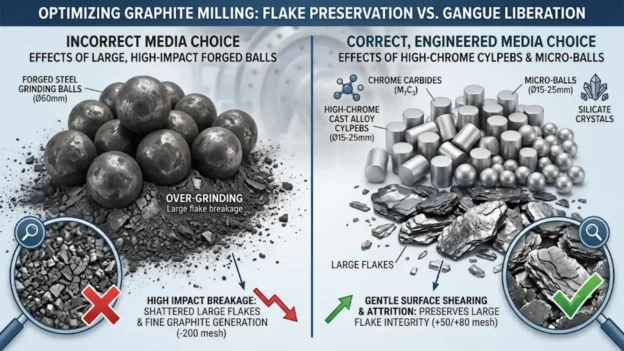
  • Selection Logic: Heavy, large-diameter forged balls generate excessive impact forces that shatter fragile graphite flakes, drastically lowering the market value of the concentrate.
  • Engineered Match: High-Chrome Steel Cylpebs & Small Cast Balls (Ø10mm–Ø25mm). Replacing large spheres with small Cylpebs or micro-balls in regrind stages shifts grinding mechanisms from high-impact crushing to gentle surface shearing and attrition, preserving large flake integrity.

B. Silicate & Quartz Gangue Abrasion (Media Wear Control)

  • Ore Property: Despite the lubricating nature of pure graphite, raw ore contains high amounts of quartz, feldspar, and mica. Gangue hardness results in a Bond Work Index (BWi) ranging between 12 and 18 kWh/t, causing severe abrasive wear on soft grinding media.
  • Selection Logic: Soft carbon steel balls suffer rapid surface degradation in high-shear attrition regrind mills, creating uneven wear, spalling, and high consumption rates (g/ton).
  • Engineered Match: High-Chrome Cast Alloy Balls (Cr 15%–22%, 62–66 HRC). Embedded M₇C₃ chromium carbides deliver high micro-hardness, resisting quartz abrasion during long residence-time regrind cycles while maintaining sphere/cylpeb sphericity.

C. Iron Contamination in High-Purity & Battery Anode Feed (Acid Scrubbing Costs)

  • Ore Property: High-grade graphite concentrates and battery-grade spherical graphite (SPG) require fixed carbon (FC) levels above 95%–99.95%. Metallic tramp iron (Fe⁰) introduced during grinding lodges between graphite layers, requiring expensive hydrofluoric/hydrochloric acid leaching for removal.
  • Selection Logic: Standard steel ball wear increases downstream chemical purification costs and environmental neutralization burdens.
  • Engineered Match: Ultra-Low Dissolution High-Chrome Alloy Balls or Ceramic/Zirconia Media. High-passivation, high-chrome alloys (Cr ≥ 22%) or inert ceramic beads prevent metallic iron abrasion and dissolution, protecting chemical purity and cutting acid wash OpEx.

2. Media Selection Matrix Tailored to Graphite Circuits

Grinding Circuit Graphite Ore Characteristic Challenge Primary Selection Metric Recommended Media Type Alloy & Hardness Profile
Primary Ball Mill (Rougher Grind) Run-of-Mine (ROM) feed, initial quartz liberation Moderate Impact + Controlled Fracture Forged Alloy or Low-Chrome Cast Balls (Ø60–Ø90mm) Cr-Mo Forged Alloy or Cr 1%–3% Alloy (54–58 HRC)
Multi-Stage Flotation Regrind Flake preservation (+80 mesh), interlayered quartz stripping Low Impact, High Attrition Shearing High-Chrome Steel Cylpebs or Micro Balls (Ø15–Ø25mm) Cr 12%–18% High Chrome Alloy (60–64 HRC)
Fine Regrind / Tower Mills Ultra-fine liberation (FC > 95%), quartz abrasive slurries Ultra-High Abrasion Resistance + High Surface Area High-Chrome Cast Micro Balls (Ø8–Ø15mm) Cr 18%–22% High Chrome Alloy (63–67 HRC)
Spherical Graphite / Battery Anode Prep Strict purity (Fe < 10 ppm), chemical passivation requirements Zero/Low Tramp Iron Contamination Passivated High-Chrome Balls or Zirconia Beads (Ø2–Ø10mm) Cr ≥ 26% Ultra-Chrome or 95 Yttria-Zirconia (65–68 HRC)

3. Measurable Financial & Processing Impact

  • 10%–18% Higher Large Flake (+50/+80 Mesh) Recovery: Transitioning to Cylpebs and micro-balls in regrind stages reduces high-impact breakage, maximizing high-margin large flake yield.
  • 45%–60% Grinding Media Wear Reduction: Replacing low-alloy media with high-chrome carbides (Cr 15%–22%) significantly reduces media wear (g/ton) in quartz-rich graphite slurries.
  • 15%–25% Lower Chemical Purification OpEx: Suppressing tramp iron contamination directly lowers hydrofluoric/hydrochloric acid consumption during downstream high-purity refining.
  • Zero Screen & Nozzle Clogging: Refined carbide microstructures ensure high structural integrity with media breakage rates below 0.02%, maintaining consistent slurry flow in vertical regrind mills.

4. Operational Case Study: 8,000 TPD Flake Graphite Operation

Ore Profile: A large-scale flake graphite mine in East Africa processing high-quartz schist ore (FC = 8.5%, BWi = 14.2 kWh/t) using a primary ball mill followed by 5 stages of flotation regrind.

The Problem: The plant was using standard forged steel balls in its secondary and regrind circuits. Excessive impact forced large flakes to fracture into low-value fine powder (-200 mesh). Additionally, high ball wear (680 g/ton) severely contaminated the concentrate with free iron, driving up acid consumption during chemical upgrading.

The Tailored Solution: Replaced spheres in stages 2–5 regrind mills with Cr 18% High-Chrome Steel Cylpebs (Ø16mm × 16mm and Ø20mm × 20mm blend) featuring an optimized martensitic matrix.

The Results:

  • +80 mesh large flake recovery in the final concentrate increased by 14.2%, significantly boosting average realized price per ton.
  • Specific grinding media consumption dropped by 52% (from 680 g/ton down to 326 g/ton).
  • Acid consumption during downstream chemical purification was reduced by 18% due to lower tramp iron levels in the flotation concentrate.
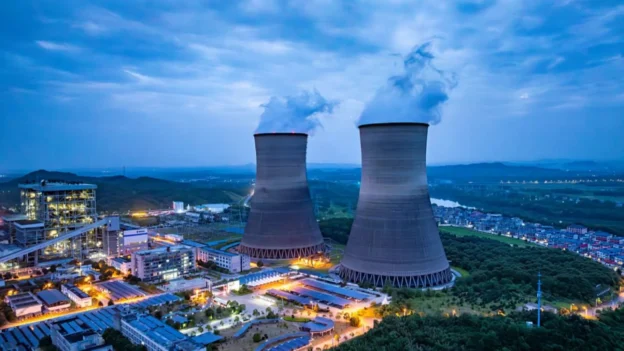
Grinding Media for Power Plants: High-Chrome Solutions for Coal Mills & FGD Flue Gas Desulfurization

Thermal power generation—encompassing coal-fired power stations, industrial boilers, and captive energy plants—relies heavily on ball mills for two core operational processes: coal pulverization (fuel preparation) and flue gas desulfurization (FGD limestone grinding). While coal mills operate under high-temperature dry grinding conditions, FGD limestone systems run under wet corrosive-abrasive slurry environments.

Selecting grinding media for power plants requires balancing thermal hardness stability for dry coal, high micro-hardness against pyrite/quartz ash abrasion, and corrosion resistance in wet limestone slurries. Tailoring media alloys to coal fuel quality and FGD operating parameters is critical to reducing plant specific auxiliary power consumption (kWh/ton), minimizing forced outage risks, and driving down long-term operating costs (OpEx).


1. Key Power Plant Applications & Media Selection Logic

A. Pulverized Coal Preparation (High-Temperature Dry Grinding)

  • Operating Condition: Low-speed and medium-speed ball mills process raw coal (bituminous, sub-bituminous, or lignite) mixed with primary air currents heated up to 120°C–200°C for moisture drying. Coal ash contains abrasive silica (SiO₂) and pyrite (FeS₂).
  • Selection Logic: Standard low-alloy forged balls undergo thermal tempering inside hot coal mills, losing structural core hardness, flattening rapidly, and causing severe mill charge slip that drives up auxiliary fan/mill power consumption.
  • Engineered Match: Thermally-Stable High-Chrome Cast Balls (Cr 10%–15%). High chromium content combined with specialized heat treatment ensures temper-resistant martensitic structures (60–65 HRC) that maintain perfect sphericity under continuous 150°C+ dry grinding.

B. Flue Gas Desulfurization (FGD) Limestone Grinding (Wet Corrosive Slurry)

  • Operating Condition: Wet limestone mills reduce raw limestone rocks into fine slurry (passing 325 mesh / P₈₀ < 45 μm) for SO₂ gas scrubbing. Recirculated process water containing chlorides (Cl⁻) creates a mildly acidic to neutral corrosive slurry (pH 6.0–8.0).
  • Selection Logic: Plain carbon steel balls suffer rapid synergistic corrosion-abrasion, releasing free tramp iron rust that poisons limestone slurry reactivity and leads to excessive media consumption (g/ton).
  • Engineered Match: Corrosion-Resistant High-Chrome Alloy Media (Cr 12%–18%). Passive chromium oxide films halt electrochemical oxidation, guaranteeing ultra-low wear rates and maintaining high slurry dissolution rates in absorber towers.

C. Fine Coal & Limestone Liberation Sizing (Power Consumption Optimization)

  • Operating Condition: Incomplete coal grinding leads to unburnt carbon loss in fly ash (LOI increase), while coarse limestone slurry reduces FGD sulfur capture efficiency.
  • Selection Logic: Secondary grinding chambers require maximum surface area contact to perform efficient size reduction without causing mechanical over-grinding or mill capacity bottlenecking.
  • Engineered Match: High-Chrome Cylpebs & Small Micro Balls (Ø15mm–Ø30mm / Cylpebs). Cylpebs deliver line-contact shearing that accelerates fine coal and limestone liberation, maximizing mill throughput per hour.

2. Media Selection Matrix Tailored to Power Plant Ball Mills

Power Plant Circuit Application & Operational Challenge Primary Selection Metric Recommended Media Type Alloy & Hardness Profile
Pulverized Coal Mill (Dry) 120°C–200°C hot air, high dry quartz/pyrite ash abrasion Temper Resistance + High Volumetric Hardness High-Chrome Cast Alloy Balls (Ø40–Ø80mm) Cr 10%–15% High Chrome Alloy (60–64 HRC)
FGD Limestone Primary Mill Wet limestone rock feed, moderate impact, wet abrasion Abrasion Resistance + Moderate Toughness High-Chrome Cast Alloy Balls (Ø30–Ø60mm) Cr 12%–16% High Chrome Alloy (61–65 HRC)
FGD Limestone Fine Regrind Ultra-fine liberation (-325 mesh), chloride slurry corrosion Corrosion Resistance + Line Contact Area High-Chrome Steel Cylpebs or Micro Balls (Ø15–Ø25mm) Cr 15%–20% Passivated High Chrome (63–67 HRC)

3. Measurable Financial & Operational Benefits

  • 50%–65% Lower Specific Media Wear: High-chrome alloys drastically outperform standard forged balls in dry coal friction and wet limestone slurries, lowering media cost per ton of coal burned.
  • 1.2–2.5 kWh/Ton Auxiliary Power Savings: Superior sphericity retention prevents mill charge slippage, improving energy transmission directly into coal pulverization.
  • Lower Unburnt Carbon in Fly Ash (LOI Reduction): Precise particle sizing ensures complete combustion inside the boiler furnace, boosting overall boiler thermal efficiency.
  • Reduced Maintenance Shutdowns: Breakage rates below 0.02% eliminate grate/classifier screen clogging, enabling continuous 8,000+ hour annual base-load operation.

4. Operational Case Study: 2×600 MW Coal-Fired Power Station

Plant Profile: A major coal-fired power station operating low-speed BBR-type dry coal ball mills (processing bituminous coal with 22% ash content) and wet FGD limestone mills.

The Problem: The plant previously used low-alloy forged steel balls. In the dry coal mills, hot primary air (140°C) softened the balls, causing severe flat-spotting, high media consumption (85 g/ton of coal), and high fan power draw. In the FGD circuit, wet corrosion drove limestone mill ball wear to 160 g/ton.

The Tailored Solution: Converted all coal mills to Cr 12% High-Chrome Cast Balls (Ø50mm–Ø80mm blend) and switched the FGD mills to Cr 16% High-Chrome Cylpebs (Ø20×22mm).

The Results:

  • Coal mill media wear dropped by 58% (from 85 g/ton down to 35.7 g/ton).
  • Specific grinding power consumption of the coal pulverizing system decreased by 1.8 kWh/ton of fuel.
  • FGD limestone slurry fine-passing rate (-325 mesh) reached 94.5%, boosting flue gas SO₂ removal efficiency while cutting desulfurization media wear by 62%.

Grinding Media for Cement Plants: High-Chrome Solutions for Clinker & Raw Meal Mills

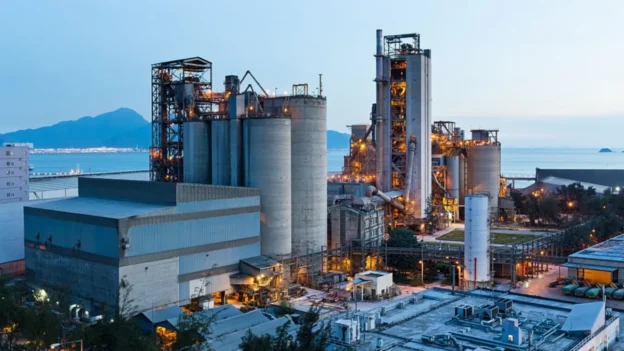
Cement manufacturing—encompassing both raw meal preparation and cement/clinker finish grinding—relies heavily on multi-chamber ball mills to achieve precise Blaine fineness targets. Unlike wet mineral processing, cement grinding is primarily a dry grinding process characterized by high internal mill temperatures (exceeding 100°C–120°C), severe metal-to-mineral dry abrasion, and fines cushioning effects.

Selecting grinding media for cement plants requires balancing high thermal hardness stability, resistance to dry impact spalling, and maximum surface contact kinetics. Tailoring media alloys to raw material hardness and clinker mineralogy is essential for optimizing specific power consumption (kWh/ton), maximizing Blaine surface area, and minimizing mill downtime.


1. Key Cement Plant Grinding Characteristics & Media Selection Logic

A. High Dry-Grinding Temperatures & Thermal Softening (Loss of Hardness)

  • Operating Condition: Clinker grinding generates massive frictional heat, driving mill internal temperatures up to 110°C–130°C. Standard carbon steel or low-alloy balls undergo thermal tempering over time, causing core hardness degradation and rapid flattening.
  • Selection Logic: Grinding media must possess high thermal stability and temper resistance to retain surface-to-core volumetric hardness in hot, dry grinding environments.
  • Engineered Match: Heat-Treated High-Chrome Cast Balls (Cr 10%–18%). Alloyed with chromium and molybdenum, these balls retain a stable martensitic structure and high volumetric hardness (60–65 HRC) even under continuous elevated mill operating temperatures.

B. Highly Abrasive Clinker Minerals (C₃S, C₂S) & Raw Material Silica (SiO₂)

  • Operating Condition: Cement clinker consists of hard crystalline phases (alite and belite) with Mohs hardness reaching 6.0–6.5, while raw meal contains abrasive quartz silica. Dry friction accelerates micro-cutting wear on grinding media surfaces.
  • Selection Logic: Soft media wears rapidly and deforms into non-spherical shapes, reducing grinding efficiency, increasing specific energy draw (kWh/ton), and causing partition diaphragm blinding.
  • Engineered Match: High-Carbide Microstructure High-Chrome Balls (Cr 12%–22%). High-density M₇C₃ chromium carbides embedded in the matrix deliver exceptional scratch resistance, ensuring long service life in dry clinker environments.

C. High Blaine Fineness Requirements & Fines Cushioning in Finish Grinding

  • Operating Condition: Finish grinding requires reaching Blaine surface area targets of 350–450 m²/kg (or higher for rapid-hardening cement). As particles become finer, the “cushioning effect” reduces impact force efficiency in secondary mill chambers.
  • Selection Logic: The secondary chamber requires a high density of small-diameter media to maximize line contact and shearing forces rather than heavy impact.
  • Engineered Match: High-Chrome Cylpebs & Micro Balls (Ø12mm–Ø25mm / Cylpebs). Cylpebs provide superior line-contact area compared to spheres, overcoming fines cushioning, increasing surface shearing, and boosting specific Blaine generation per hour.

2. Media Selection Matrix Tailored to Cement Mill Chambers

Mill Application Cement Circuit Challenge Primary Selection Metric Recommended Media Type Alloy & Hardness Profile
Raw Meal Mill (Chamber 1) Coarse limestone/quartz feed, high dry impact Shatter Resistance + High Volumetric Hardness Forged Alloy / Medium-Chrome Balls (Ø60–Ø90mm) Cr 8%–12% Alloy or Forged High-Carbon (58–62 HRC)
Clinker Mill (First Chamber) Hot clinker lumps, high dry impact abrasion Thermal Stability + High Impact Toughness High-Chrome Cast Alloy Balls (Ø50–Ø80mm) Cr 10%–15% High Chrome Alloy (60–64 HRC)
Clinker Mill (Second Chamber) Fine grinding, high Blaine fineness, dry cushioning High Surface Contact Area + Abrasion Resistance High-Chrome Cylpebs / Micro Balls (Ø15–Ø30mm) Cr 15%–20% High Chrome Alloy (62–66 HRC)

3. Measurable Financial & Operational Benefits

  • 40%–60% Lower Specific Wear Rate: Switching from low-chrome forged balls to engineered high-chrome cast media reduces consumption to as low as 30–50 g/ton of cement produced.
  • 1.5–3.0 kWh/Ton Power Savings: Maintaining ball sphericity and optimizing chamber charge graduation eliminates mill slipping and improves grinding efficiency.
  • 8%–12% Increase in Mill Throughput (TPH): Replacing spheres with Cylpebs in the second chamber increases effective contact surface area, accelerating Blaine fineness generation.
  • Zero Diaphragm Slot Blinding: High structural integrity and minimal breakage (< 0.02%) keep intermediate diaphragms clean, optimizing internal mill air flow.

4. Operational Case Study: 1,200,000 TPA Cement Plant Finish Mill

Plant Profile: A major cement producer running a 4.2m × 13m two-chamber ball mill in a closed-circuit system with a high-efficiency separator, producing OPC 42.5 cement at target Blaine 360 m²/kg.

The Problem: The plant used low-chrome forged balls in both chambers. High operating temperatures (115°C) caused ball softening, severe spalling, and rapid flat-spotting. Specific media wear reached 110 g/ton, while mill capacity was limited to 115 TPH due to low grinding efficiency in Chamber 2.

The Tailored Solution: Re-engineered Chamber 1 with Cr 12% High-Chrome Balls (Ø60–Ø80mm) and Chamber 2 with Cr 17% High-Chrome Cylpebs (Ø18×20mm & Ø22×25mm).

The Results:

  • Grinding media consumption dropped by 61% (from 110 g/ton down to 43 g/ton).
  • Mill throughput increased by 10.4% (from 115 TPH to 127 TPH) at the same target Blaine fineness.
  • Specific grinding power consumption decreased by 2.2 kWh/ton, yielding substantial annual electricity savings.

Grinding Media for Lithium & Industrial Minerals: Ultra-High Chrome Solutions Against Iron Contamination

In the lithium-ion battery supply chain (spodumene and lepidolite processing) as well as the deep processing of high-purity industrial minerals (such as high-purity quartz, feldspar, and photovoltaic glass raw materials), grinding operations face a distinct set of operational challenges. Beyond the high hardness and extreme abrasiveness of these minerals, downstream applications enforce exceptionally strict limits on iron impurity content (Fe%).

Selecting grinding media for lithium and high-purity industrial minerals requires resolving the fundamental tension between high-stress quartz/silicate abrasion and mandatory iron contamination prevention. Precisely matching the metallurgical microstructure of the grinding media against non-contamination requirements is key to securing battery-grade lithium concentrate purity, high-purity mineral whiteness, and significantly lower operational expenditures (OpEx).


1. Key Lithium & Industrial Mineral Characteristics & Media Selection Logic

A. Exceptionally Strict Iron Contamination Limits (Preventing Product Toxicity & Discoloration)

  • Mineral Property: Battery-grade lithium carbonate and lithium hydroxide require extremely low, ppm-level iron tolerances. Similarly, high-purity quartz and feldspar used in solar glass or high-end ceramics experience darkening or yellowing after high-temperature firing if trace iron is present.
  • Selection Logic: Standard forged steel or low-chrome balls release large amounts of free metallic iron (Fe⁰) into the slurry through severe spalling and wear, which directly degrades raw materials or increases expensive magnetic separation costs.
  • Engineered Match: Ultra-High Chrome Cast Alloy Balls (Cr 20%–28%). High chromium content forms a dense, stably passivated protective oxide layer on the alloy surface, reducing metallic spalling and chemical dissolution to negligible levels and cutting off iron contamination at the source.

B. Extreme Hardness of Spodumene and Quartz (High-Stress Micro-Abrasion)

  • Mineral Property: Spodumene possesses a Mohs hardness of 6.5–7.0, while high-purity quartz reaches 7.0, driving Bond Ball Mill Work Index (BWi) values up to 16–22 kWh/t.
  • Selection Logic: Low-grade grinding media wear down rapidly under these abrasive conditions (often exceeding 1,000 g/ton) while suffering severe deformation and ball breakage.
  • Engineered Match: Ultra-High Hardness Martensitic High-Chrome Micro Balls (63–67 HRC). Engineered via tailored heat treatment to convert the matrix into fine martensite with dense M₇C₃-type chromium carbide precipitates (microhardness up to 1,200–1,800 HV), these balls strongly resist scratching and micro-cutting from hard minerals.

C. Slurry Potential Sensitivity in Flotation and Acid Leaching

  • Mineral Property: Spodumene flotation (using fatty acid collectors) and subsequent acid roasting/leaching processes demand extreme electrochemical purity within the slurry.
  • Selection Logic: Dissolved iron species from low-alloy media indiscriminately adhere to both spodumene and gangue surfaces, destroying collector selectivity and lowering lithium concentrate (Li₂O) grade.
  • Engineered Match: Corrosion-Resistant Ultra-High Chrome Micro Balls & Cylpebs (Ø15mm–Ø30mm). Exceptionally low wear maintains the natural electrochemical slurry environment, ensuring precise collector absorption and boosting lithium recovery.

2. Media Selection Matrix Tailored to Low-Iron & High-Hardness Ore Circuits

Grinding Circuit Lithium / Industrial Mineral Challenge Primary Selection Metric Recommended Media Type Alloy & Hardness Profile
Primary Mill Large ROM feed size, high hardness impact Impact Resistance + Ultra-Low Wear Special High-Toughness Cast Balls (Ø60–Ø90mm) Cr 15%–18% High Chrome Alloy (60–64 HRC)
Secondary Mill Severe quartz/spodumene abrasion, strict zero-iron tolerance Iron Contamination Prevention + High Hardness Ultra-High Chrome Wear-Resistant Balls (Ø25–Ø50mm) Cr 20%–26% Ultra-High Chrome (63–67 HRC)
Fine Regrind Ultra-fine liberation passing 325 mesh, high product purity Low Dissolution Rate + High Contact Surface Area Passivated Ultra-High Chrome Micro Balls / Cylpebs (Ø10–Ø20mm) Cr 22%–28% Passivated Ultra-High Chrome (64–68 HRC)

3. Measurable Financial & Quality Benefits

  • 70%–85% Reduction in Iron Contamination: Passivated surfaces on ultra-high chrome alloy balls dramatically reduce free iron spalling, relieving downstream magnetic separation load.
  • 50%–65% Lower Specific Wear Rate: High-density chromium carbide precipitates effectively resist cutting wear from spodumene and quartz, outperforming standard forged balls.
  • 0.3–0.8 Percentage Point Increase in Li₂O Grade: Eliminating free iron interference improves flotation selectivity between spodumene and feldspar gangue.
  • Elimination of Frequent Topping-Up Shutdowns: High sphericity retention and zero breakage rates ensure continuous, stable mill operation.

4. Operational Case Study: 1,500,000 TPA Spodumene Beneficiation Plant

Ore Profile: A major Australian spodumene mining operation (Li₂O head grade 1.3%, gangue composed mainly of quartz and feldspar, Mohs hardness 7.0) aimed to produce battery-grade lithium concentrate (Li₂O ≥ 6.0%) with stringent iron restrictions.

The Problem: The plant originally used standard low-chrome forged balls in its secondary mills. Severe abrasion from spodumene resulted in high media wear (920 g/ton). Furthermore, iron debris contaminated the slurry, raising iron levels in the lithium concentrate above export limits, overloading magnetic separators, and reducing lithium recovery.

The Tailored Solution: Replaced the media in secondary grinding and fine regrind circuits with specialized Cr 24% Ultra-High Chrome Cast Micro Balls (Ø25mm / Ø35mm ratio).

The Results:

  • Media consumption dropped by 63% (from 920 g/ton down to 340 g/ton).
  • Media-induced iron contamination in the slurry dropped by 78%, bringing lithium concentrate quality well within battery-grade export specifications.
  • Improved flotation kinetics increased Li₂O recovery by 1.1%, while power and maintenance costs for magnetic separation decreased substantially.

Grinding Media Selection for Iron Ore Mines: High-Density & Fine-Grinding Solutions

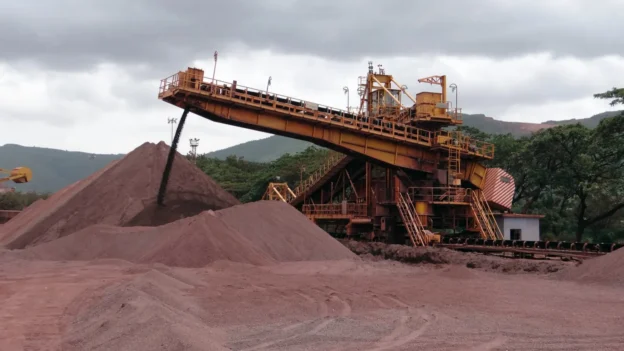
Iron ore processing (handling magnetite, hematite, and taconite deposits) presents distinct mechanical challenges due to heavy slurry densities, aggressive mineral impact, and strict particle liberation requirements. Because high iron recovery relies on separating iron oxides from siliceous gangue prior to magnetic separation or flotation, grinding circuits must achieve high particle fineness without excessive media wear or severe energy losses.

Selecting grinding media for iron ore circuits requires balancing high volumetric impact resistance, heavy-slurry abrasion protection, and fine-grinding contact kinetics. Matching media metallurgy against iron ore mineralogy is essential for maximizing concentrate grade, throughput, and energy efficiency.


1. Key Iron Ore Characteristics & Media Selection Logic

A. Heavy Slurry Density & Massive Ore Specific Gravity (High Energy Impact)

  • Ore Property: Iron ores possess a significantly higher specific gravity (SG = 4.2–5.1) compared to base metal ores. High slurry density creates elevated mechanical drag, high dynamic wear rates, and intense impact forces inside primary ball mills.
  • Selection Logic: Media must feature high volumetric hardness and strong structural integrity to resist spalling and spalls under heavy-density slurry impact.
  • Engineered Match: Heavy-Duty High-Chrome Cast / Forged Balls (Ø60mm–Ø100mm). Engineered with deep-hardening Cr-Mo alloys, these balls maintain uniform volumetric hardness (58–63 HRC) from surface to core, ensuring zero deformation in dense iron ore slurries.

B. High Fineness Liberation Targets for Magnetic Separation (Slurry Attrition)

  • Ore Property: Magnetite and hematite grains are frequently tightly intergrown with silica. Achieving target concentrate grades (Fe > 65%–68%) requires fine grinding to pass 200 mesh (P₈₀ = 45–75 μm, or finer for reverse flotation).
  • Selection Logic: Secondary and tertiary fine-grinding stages require maximum surface area contact to accelerate particle reduction without generating unneeded over-grinding or slimes.
  • Engineered Match: High-Chrome Micro Balls & Steel Cylpebs (Ø15mm–Ø30mm / Cylpebs). Cylpebs provide line-to-surface grinding contact rather than point-to-point sphere contact, increasing active grinding contact area by 15% and boosting discharge fineness.

C. Micro-Slurry Abrasion & Liner / Media Passivation

  • Ore Property: Iron ore concentrates, especially fine magnetite slurries, act as dense liquid abrasives that rapidly scour metal surfaces in high-speed secondary mills.
  • Selection Logic: Low-alloy carbon balls wear down rapidly into non-spherical shapes, causing mill charge slip, reduced grinding efficiency, and frequent topping-up shutdowns.
  • Engineered Match: Medium/High-Chrome Cast Balls (Cr 10%–16%). High-chromium carbide microstructures maintain ball sphericity over long operational cycles, drastically reducing specific consumption (g/ton).

2. Media Selection Matrix Tailored to Iron Ore Circuits

Grinding Circuit Iron Ore Characteristic Challenge Primary Selection Metric Recommended Media Type Alloy & Hardness Profile
Primary Ball Mill Heavy slurry density, high impact, large ROM feed chunks High Volumetric Hardness + Shatter Resistance Heavy-Duty Forged Steel / High-Chrome Balls (Ø70–Ø100mm) High-Carbon Alloy Steel or Cr 8%–12% (58–62 HRC)
Secondary Fine Grinding Aggressive micro-abrasion, target fineness (P₈₀ < 75 μm) Abrasion Resistance & Sphericity Retention High-Chrome Cast Balls (Ø30–Ø50mm) Cr 12%–16% High Chrome Alloy (62–65 HRC)
Regrind / Magnetic Concentration Fine liberation (passing 325 mesh), high slurry drag High Contact Surface Area (Line Contact) High-Chrome Steel Cylpebs or Micro Balls (Ø15–Ø25mm) Cr 14%–18% High Chrome Alloy (63–67 HRC)

3. Measurable Financial & Operational Benefits

  • 35%–50% Lower Specific Wear: Replacing standard forged balls with high-chrome alloys in dense magnetite slurries significantly reduces specific consumption (g/ton).
  • 10%–15% Higher Pass Rate (200 Mesh): Utilizing Cylpebs in the fine-grinding chamber increases active surface contact, ensuring efficient liberation for magnetic separation.
  • 0.8–1.5 Percentage Point Boost in Fe Concentrate Grade: Precise particle size control prevents slime generation while maximizing silica separation.
  • 1.0–2.0 kWh/Ton Power Reduction: Uniform sphericity and optimized charge bulk density improve charge kinetics and reduce specific pulverizing energy draw.

4. Operational Case Study: 8,000,000 TPA Magnetite Processing Plant

Ore Profile: A major magnetite mining operation processing hard quartz-magnetite ore (Fe head grade 28%, BWi = 16.8 kWh/t) targeting a magnetic concentrate of Fe > 66.5% passing 200 mesh (75 μm).

The Problem: The plant used standard forged balls in its secondary mills. Heavy slurry drag caused severe ball flat-spotting and rapid wear (620 g/ton). Insufficient fine grinding led to poor magnetite liberation, keeping concentrate grade stuck at 64.2%.

The Tailored Solution: Transitioned secondary fine grinding to Cr 14% High-Chrome Cast Balls (Ø30mm) and Cast Steel Cylpebs (Ø20×22mm) for the final liberation stage.

The Results:

  • Media wear rate dropped by 48% (from 620 g/ton down to 322 g/ton).
  • Product passing 200 mesh increased from 72% to 86.5%.
  • Magnetite concentrate Fe grade increased from 64.2% to 66.8%, meeting premium export specifications.

Grinding Media for Gold & Silver Mines: High-Chrome Solutions for Quartz Abrasion & Leaching Efficiency

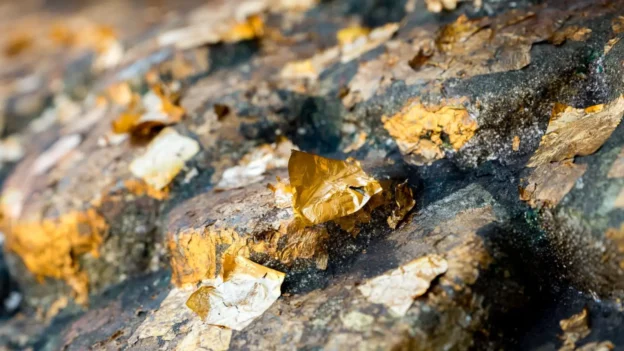
Gold and silver processing operations present unique grinding challenges distinct from base metals. Because precious metals are frequently finely disseminated within ultra-hard quartz matrices, grinding circuits must achieve high liberation fineness while keeping operating expenses in check. Furthermore, downstream chemical extraction processes (such as cyanidation and acid leaching) are exceptionally sensitive to pulp chemistry.

Selecting grinding media for precious metal circuits is not just about resisting mechanical wear—it is directly tied to maximizing gold/silver metallurgical recovery and reducing leaching reagent consumption. Matching media alloy chemistry against quartz-rich ore mineralogy is essential for optimizing plant profitability.


1. Key Gold & Silver Ore Characteristics & Media Selection Logic

A. Quartz-Dominant Gangue Mineralogy (Extreme Quartz Abrasion)

  • Ore Property: Gold and silver ores are commonly hosted in hard quartz veins, pyritic matrices, or silicate rocks. The Bond Work Index (BWi) frequently ranges from 16 to 22 kWh/t, and quartz content (SiO₂) often exceeds 70%–85%.
  • Selection Logic: Standard forged carbon steel balls suffer catastrophic wear rates when processing high-quartz ores, leading to prohibitive media consumption costs (g/ton).
  • Engineered Match: High-Chrome Cast Balls (Cr 12%–22%). High-chromium carbides (M₇C₃ type) embedded within a martensitic matrix deliver supreme micro-hardness (62–67 HRC), offering extraordinary resistance to high-stress quartz scratching and abrasion.

B. Tramp Iron Interference in Leaching Circuits (Reagent Poisoning)

  • Ore Property: Downstream gold and silver recovery relies on cyanidation, thiosulfate, or acid leaching. Free tramp iron (Fe⁰) generated by grinding ball wear consumes critical dissolved oxygen (DO) and active cyanide ions (CN⁻) to form ferrocyanide complexes.
  • Selection Logic: High media wear directly poisons the pulp chemistry, driving up cyanide and oxygen addition costs while depressing gold/silver dissolution rates.
  • Engineered Match: High-Passivation High-Chrome Alloys (Cr 18%–26%). Ultra-low dissolution rate high-chrome balls prevent free iron release into the pulp, keeping dissolved oxygen levels stable and reducing cyanide consumption by up to 15%–30%.

C. Fine Dissemination & High Liberation Sizing (Slurry Attrition)

  • Ore Property: Precious metals often occur as sub-micron or microscopic particles trapped inside sulfide lattices or quartz grains, requiring fine grind targets (typically P₈₀ = 38–75 μm, or ultra-fine regrind P₈₀ < 20 μm).
  • Selection Logic: Secondary and regrind chambers require maximum surface area contact to perform efficient attritional grinding without over-grinding or crushing media into spalls.
  • Engineered Match: High-Chrome Micro Balls & Steel Cylpebs (Ø15mm–Ø30mm). Replacing spheres with Cylpebs in fine grinding provides line-to-line surface contact, optimizing fine particle reduction and improving energy efficiency.

2. Media Selection Matrix Tailored to Gold & Silver Circuits

Grinding Circuit Gold / Silver Ore Characteristic Challenge Primary Selection Metric Recommended Media Type Alloy & Hardness Profile
Primary SAG / Ball Mill High quartz impact, large ROM feed chunks High Impact Toughness + Moderate Hardness High-Toughness Forged Alloy Steel Balls (Ø90–Ø125mm) High-Carbon Cr-Mo Forged Alloy (56–60 HRC)
Secondary Ball Mill Severe quartz abrasion (SiO₂ > 70%), high wear rates Ultra-High Abrasion Resistance High-Chrome Cast Balls (Ø30–Ø60mm) Cr 12%–18% High Chrome Alloy (62–66 HRC)
Leach Feed Fine Milling Reagent consumption risk, high fineness target Low Tramp Iron Release + Surface Area High-Chrome Cast Micro Balls (Ø15–Ø25mm) Cr 18%–22% High Chrome Alloy (64–67 HRC)
Regrind / Tower Mills Micro-fine liberation (P∯₀ < 25 μm), high energy draw Attritional Surface Contact, Corrosion Protection High-Chrome Cylpebs or Micro Balls (Ø10–Ø20mm) Cr 20%–26% Ultra-High Chrome Alloy (65–68 HRC)

3. Measurable Financial & Metallurgical Impact

  • 50%–65% Wear Rate Reduction: Replacing low-alloy balls with high-chrome alloys in quartz-rich gold circuits dramatically slashes consumption (g/ton).
  • 15%–30% Cyanide Reagent Savings: Preventing metallic iron (Fe⁰) contamination eliminates cyanide-consuming ferrocyanide reactions, directly reducing OpEx in CIL/CIP circuits.
  • 0.8%–1.5% Higher Gold/Silver Recovery: Higher pulp dissolved oxygen levels accelerate leaching kinetics, ensuring complete precious metal dissolution.
  • Zero Diaphragm Screen Blinding: Refined carbide microstructures guarantee structural integrity with breakage rates below 0.03%.

4. Operational Case Study: 12,000 TPD Quartz-Vein Gold Mine

Ore Profile: A high-grade quartz-vein gold operation in South America (SiO₂ content > 78%, BWi = 18.5 kWh/t) utilizing a primary ball mill followed by Carbon-in-Leach (CIL).

The Problem: The plant was using standard low-chrome forged balls. Quartz abrasion caused extreme media wear (850 g/ton). Furthermore, free iron dissolved in the pulp consumed excessive sodium cyanide (NaCN) and depleted slurry oxygen, suppressing gold leach recovery.

The Tailored Solution: Transitioned secondary grinding to Cr 18% High-Chrome Cast Balls (Ø40mm / Ø50mm blend) with optimized carbide heat treatment.

The Results:

  • Specific grinding media consumption dropped by 58% (from 850 g/ton down to 357 g/ton).
  • Sodium Cyanide (NaCN) consumption in the CIL circuit decreased by 22% due to reduced tramp iron contamination.
  • Pulp oxygen levels stabilized, yielding a 0.85% boost in overall gold leach recovery.

Recognized for Excellence: Sister Company Huahong Awarded “2026 Smart Factory” Status

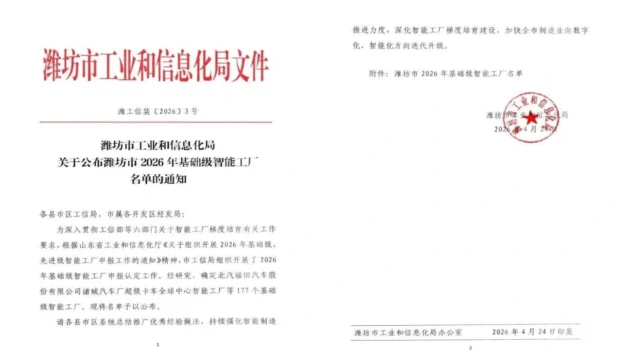
[Qingzhou, China] — The Weifang Municipal Bureau of Industry and Information Technology officially released the 2026 List of Foundation-Level Smart Factories. We are proud to announce that our sister company, Qingzhou Huahong Wear-Resistant Materials Co., Ltd., has been successfully recognized for its High-End Wear-Resistant Materials Smart Manufacturing Factory project.

Official Recognition & Public Listing

Official Government Notice (Weifang MIIT [2026] No. 3)

Official Listing: High-End Wear-Resistant Materials Smart Factory

What Smart Manufacturing Means for Our Alloy Quality

Smart factories represent the integration of advanced manufacturing equipment, industrial software, and interconnected systems. By linking production devices with real-time data management, our manufacturing facilities achieve comprehensive optimization across the entire product lifecycle—from raw material melting to final heat treatment.

Empowering TaiHong & Global Partners:

  • Uncompromising Material Integrity: Automated melting and heat-treatment controls guarantee precise chemical composition and microstructure for every batch.
  • Higher Production Efficiency: Interconnected workshop systems reduce lead times and streamline supply chain management for large-scale industrial orders.
  • Traceable Quality Assurance: Full product lifecycle tracking ensures that mill liners, grinding media, and wear parts meet rigorous international standards.

Driving High-Quality Growth in Wear-Resistant Solutions

As part of our broader group strategy, TaiHong will continue to share technological innovations and smart manufacturing best practices with Huahong. Together, we are committed to delivering high-performance, long-lasting wear solutions to mining, cement, and power-generation clients worldwide.

High-Efficiency Grinding Media & Wear Solutions for Fiber Cement Plants

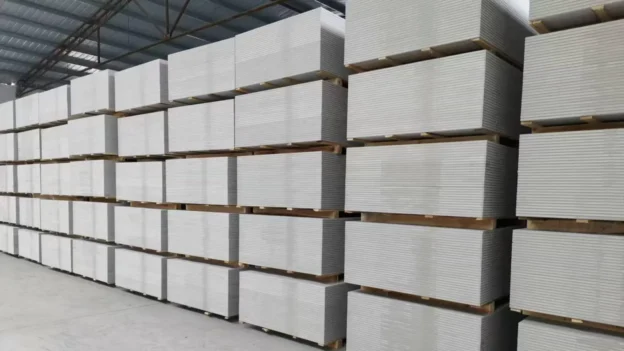
Fiber cement manufacturing—used globally for high-durability siding, architectural panels, and silicate boards—requires precise wet raw material preparation. Unlike dry cement clinker grinding, the raw material preparation in fiber cement plants involves wet grinding of highly abrasive silica sand (quartz) combined with calcium sources and cellulose fibers.

Selecting grinding media for fiber cement plants requires resolving the complex interplay of high-stress quartz slurry abrasion, wet alkaline corrosion, and strict particle size distribution control. Tailoring grinding alloys to raw silica hardness and wet ball mill dynamics is critical to optimizing slurry reactivity, reducing media wear costs, and ensuring smooth downstream sheet-forming (Hatschek) processes.


1. Key Fiber Cement Manufacturing Characteristics & Media Selection Logic

A. Extreme Quartz Sand Abrasion in Wet Slurry (Micro-Cutting Wear)

  • Operating Condition: Silica sand (SiO₂ > 80%–90%) processed in wet ball mills acts as a liquid abrasive paste. Quartz particles with a Mohs hardness of 7.0 exert severe micro-cutting and scratching on grinding media surfaces.
  • Selection Logic: Standard carbon steel or low-alloy forged balls undergo rapid surface gouging, resulting in flat-spotting, excessive media consumption (g/ton), and frequent, costly mill charge replenishments.
  • Engineered Match: High-Carbide High-Chrome Cast Balls (Cr 12%–18%). Embedded with dense M₇C₃ chromium carbides (microhardness 1,200–1,800 HV), these alloys deliver supreme resistance to silica sand cutting wear.

B. Wet Slurry Chemistry & Metal Oxidation (Corrosive-Abrasive Synergy)

  • Operating Condition: Wet grinding slurries containing lime, cement, and quartz operate in a alkaline to mildly alkaline aqueous environment (pH 8.0–11.0). Continuous wet tumbling creates a synergistic wear mechanism where chemical oxidation continuously strips soft metal oxides from the ball surface.
  • Selection Logic: Unalloyed steel balls corrode rapidly in wet slurries, generating excessive tramp iron rust (Fe₂O₃) that stains raw slurry and compromises board aesthetics.
  • Engineered Match: Passivated High-Chrome Alloy Media (Cr 14%–22%). High chromium content forms a continuous, self-passivating oxide film that effectively suppresses electrochemical wear and prevents slurry discoloration.

C. Strict Fineness Range & Prevention of Over-Grinding (Particle Liberation)

  • Operating Condition: Autoclaved calcium silicate boards require an optimal silica fineness (typically passing 200 mesh at 85%–95%) to react efficiently with calcium hydroxide during hydrothermal curing. However, generating excess slimes (ultra-fines) reduces slurry drainability during board forming.
  • Selection Logic: Media must provide controlled, surface-contact grinding rather than brutal impact to achieve tight target particle size distribution (PSD).
  • Engineered Match: High-Chrome Cylpebs & Small-Diameter Micro Balls (Ø15mm–Ø30mm / Cylpebs). Cylpebs offer line-contact surface area, optimizing fine quartz reduction, improving slurry reactivity, and preventing over-grinding.

2. Media Selection Matrix Tailored to Fiber Cement Raw Material Circuits

Application Circuit Fiber Cement Slurry Challenge Primary Selection Metric Recommended Media Type Alloy & Hardness Profile
Primary Sand Slurry Mill Coarse silica sand feed, wet slurry impact Impact Toughness + Abrasion Resistance High-Chrome Alloy Cast Balls (Ø40–Ø60mm) Cr 12%–15% High Chrome Alloy (60–64 HRC)
Secondary / Fine Silica Mill Severe quartz abrasion, wet alkaline environment Corrosion-Abrasive Wear Resistance High-Chrome Cast Balls (Ø25–Ø40mm) Cr 15%–18% High Chrome Alloy (62–65 HRC)
Fine Regrind & Slurry Homogenization Target fineness (passing 200 mesh), preventing slimes High Surface Contact Area + Low Iron Release High-Chrome Cylpebs / Micro Balls (Ø15–Ø25mm) Cr 18%–22% High Chrome Alloy (63–66 HRC)

3. Measurable Financial & Operational Benefits

  • 50%–65% Lower Specific Media Consumption: Replacing standard low-alloy forged balls with engineered high-chrome cast media slashes consumption rates in wet quartz slurry.
  • Enhanced Hydrothermal Reactivity: Precise silica particle size distribution optimizes the pozzolanic reaction with lime in autoclaves, improving final board flexural strength (MOR).
  • 10%–15% Improved Board Dewatering Speed: Controlled particle size distribution prevents excessive fines, allowing faster drainage on Hatschek forming machines and increasing line speeds.
  • Clean Slurry & Zero Staining: Corrosion-resistant chromium alloys eliminate free iron rust contamination, maintaining natural board whiteness and color consistency.

4. Operational Case Study: 15,000,000 m²/Year Fiber Cement Board Plant

Plant Profile: A major fiber cement manufacturer operating wet ball mills to prepare quartz sand slurry (target fineness 90% passing 200 mesh) for autoclaved calcium silicate board production.

The Problem: The plant was using standard carbon steel forged balls. High quartz slurry abrasion combined with wet corrosion resulted in rapid ball wear (820 g/ton of dry sand). Severe flat-spotting reduced grinding efficiency, and iron rust generation caused board surface discoloration.

The Tailored Solution: Transitioned wet sand ball mills to Cr 16% High-Chrome Cast Balls (Ø30mm / Ø40mm dynamic ratio) and introduced Cr 18% High-Chrome Cylpebs (Ø20×22mm) in the fine grinding stage.

The Results:

  • Specific grinding media consumption dropped by 59% (from 820 g/ton down to 336 g/ton).
  • Sand slurry passing 200 mesh stabilized at 92%, resulting in a 6% increase in board flexural strength (MOR) after autoclaving.
  • Eliminated free iron oxide staining, yielding uniform, premium-surface fiber cement boards.

TaiHong Awarded Shandong Gazelle Enterprise & Drives $14M+ R&D Innovation

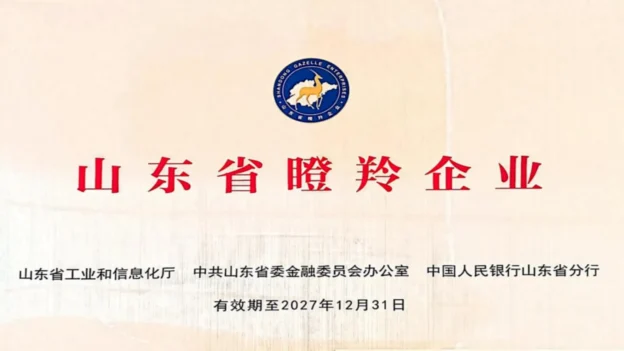
[Qingzhou, China] — Qingzhou TaiHong Wear-Resistant Materials Co., Ltd. has officially been named a “Shandong Gazelle Enterprise” by the Department of Industry and Information Technology of Shandong Province. This prestigious honor highlights TaiHong’s rapid growth, technological innovation, and expanding leadership in the global wear-resistant materials sector.


💡 What is a “Gazelle Enterprise”?

Named after the fast and agile antelope, a Gazelle Enterprise refers to a high-growth, technology-driven business that has successfully scaled past the startup phase. Recognized for its rapid revenue growth, high R&D investment, and disruptive technological advancements, a Gazelle Enterprise represents the benchmark of industrial excellence and long-term competitiveness.

Industrial Scale & Advanced Manufacturing Excellence

As a recognized National High-Tech Enterprise, TaiHong stands as one of China’s premier manufacturers of wear-resistant grinding media. By seamlessly integrating state-of-the-art casting, forging, and hot-rolling processes, our facility boasts an annual production capacity of 300,000 metric tons. We supply high-performance forged and hot-rolled steel balls, cast grinding balls, grinding rods, cylpebs, mill liners, and crusher hammers to global mining, power, and cement industries.

Recent R&D Milestones & Technological Breakthroughs:

  • $14M+ Joint R&D Initiative with USTB: TaiHong partnered with the Collaborative Innovation Center of Steel Technology at the University of Science and Technology Beijing (USTB) on a 102 million RMB project. Focusing on advanced metallurgical microstructural control, this collaboration expands our high-end mechanical components capacity by 200,000 metric tons annually.
  • Patented Casting Separation Technology: Secured a national invention patent for our proprietary “Rotary Riser and Casting Separation Method and Equipment”, drastically improving casting precision, structural integrity, and manufacturing efficiency.
  • Major Energy Sector Procurement Win: Awarded the competitive supply contract for Tianjin Guoneng Panshan Power Generation Co., Ltd., reinforcing top-tier energy corporations’ trust in our durable wear solutions.

Commitment to Global Standards & Continuous Innovation

Receiving the “Gazelle Enterprise” designation—alongside continuous university research partnerships and patented manufacturing technologies—validates TaiHong’s relentless pursuit of metallurgical excellence. Moving forward, we will continue expanding our R&D capabilities and production scale to deliver low-wear, low-breakage grinding media engineered for the most demanding global operational environments.